Who Owns the Shot? Image & Video Rights Between Artists and Photographers
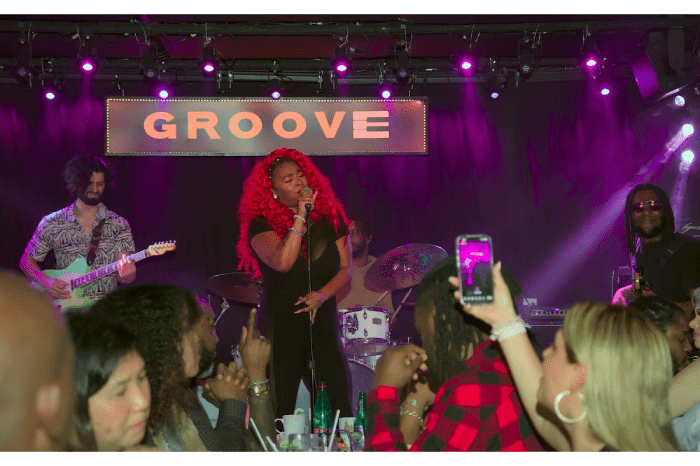
Let me set the scene: a rising R&B artist named Zara books me to shoot her headline set at a Brooklyn venue. She's building her brand, dropping her debut EP in two months, and needs polished content — performance stills, backstage reels, promo clips for Instagram. We agree on a rate, I show up, I shoot three hours of fire. She gets the files. Then a few weeks later, she prints a giant tour poster using one of my shots and licenses a video clip to a streaming platform — without asking me. She assumed she owned it all because she paid. The question is: did she?
This is one of the most misunderstood areas in the creative industry, and it affects artists and photographers alike. Under U.S. copyright law, the person who presses the shutter or hits record is the default copyright owner of that image or video — not the person who hired them, not the person being photographed, and not the venue that let you in. The moment I capture that frame, I own it. That ownership doesn't automatically transfer just because someone handed me a check. This is the fundamental principle that trips up so many working artists who assume that "I paid for it" equals "I own it." It doesn't — unless a written agreement says otherwise.
 Ali Caldwell Photographed by Keith Hasvision Rogers
Two scenarios that change everything
-
1
Artist owns it
The work-for-hire contract
Zara's manager sends over a contract before the shoot that explicitly states the work is "work made for hire" under 17 U.S.C. § 101, or includes a full copyright assignment clause. I review it, negotiate my rate upward to account for the rights transfer, and sign. In this case, Zara's team legally owns the copyright from the moment of creation. She can print posters, license clips, and use the footage indefinitely — no further permission or royalties needed. This is entirely legal and common in commercial shoots. The key ingredient: a written, signed agreement executed before the shoot begins.
-
2
Artist does not own it
Payment alone, no contract
Zara pays my invoice, I deliver the files, and there is no written agreement about rights — just a verbal understanding that the photos are "hers to use." Under copyright law, what she actually received is an implied limited license: she can use the images for the promotional purposes we discussed, but she does not own the copyright. She cannot license them to third parties, sell them, or use them in ways beyond what was reasonably implied by the scope of the job. That tour poster and the streaming license? Both likely infringe on my copyright — even though she paid me in full.
"The distinction between those two scenarios comes down entirely to paperwork."
A license gives usage rights — think of it like renting the image. A copyright assignment or work-for-hire agreement transfers actual ownership. As a photographer or videographer, I always recommend artists push for at least a broad licensing agreement that clearly spells out the permitted uses: social media, print, commercial licensing, broadcast, and so on. If you want to own the work outright, expect to negotiate a higher rate, because you're asking the photographer to give up future earning potential on that content. That's fair — but it has to be written down.
"The bottom line for artists: Before any shoot, get a contract that defines the scope of the license or explicitly assigns the copyright to you."
Before any shoot, as a photographer, make sure your standard agreement protects your rights by default — and charge accordingly when someone wants more. Neither side should walk away from a creative collaboration without clarity on who owns what. In a city like New York where artists and creatives hustle at every level, a one-page agreement can save a friendship, a working relationship, and thousands of dollars in legal fees.
Disclaimer: This blog is not legal advice. Please consult an entertainment or IP attorney for guidance specific to your situation.

NYC Freelance Photographer & Videographer
Original Prints 24x36 Black and White Print

Recent Birthday Video Captured in Maryland by Keith Hasvision Rogers